A broad selection of testing and measurement tools for engine analysis, fuel system testing, electrical diagnostics, leak detection, and more. Suitable for professional workshops and independent mechanics.
Automotive diagnosis often requires more than a code reader. Physical measurement tools provide direct data about mechanical and fluid system conditions that software alone cannot detect.
Our range covers a wide spectrum of diagnostic needs — from simple pressure gauges to multi-channel signal analyzers.
Use the categories below to navigate to specific types of diagnostic instruments.
Compression, leak-down, and cylinder analysis tools.
Pressure testers, injector testers, and flow meters.
Multimeters, oscilloscopes, and circuit testers.
Infrared thermometers and thermal imaging cameras.
Manifold vacuum gauges and brake bleed tools.
Smoke machines and UV dye leak detection kits.
Battery testers, chargers, and load testers.
Mechanic stethoscopes and ultrasonic leak detectors.
A selection from our diagnostic instrument range, representing the variety of tools available.

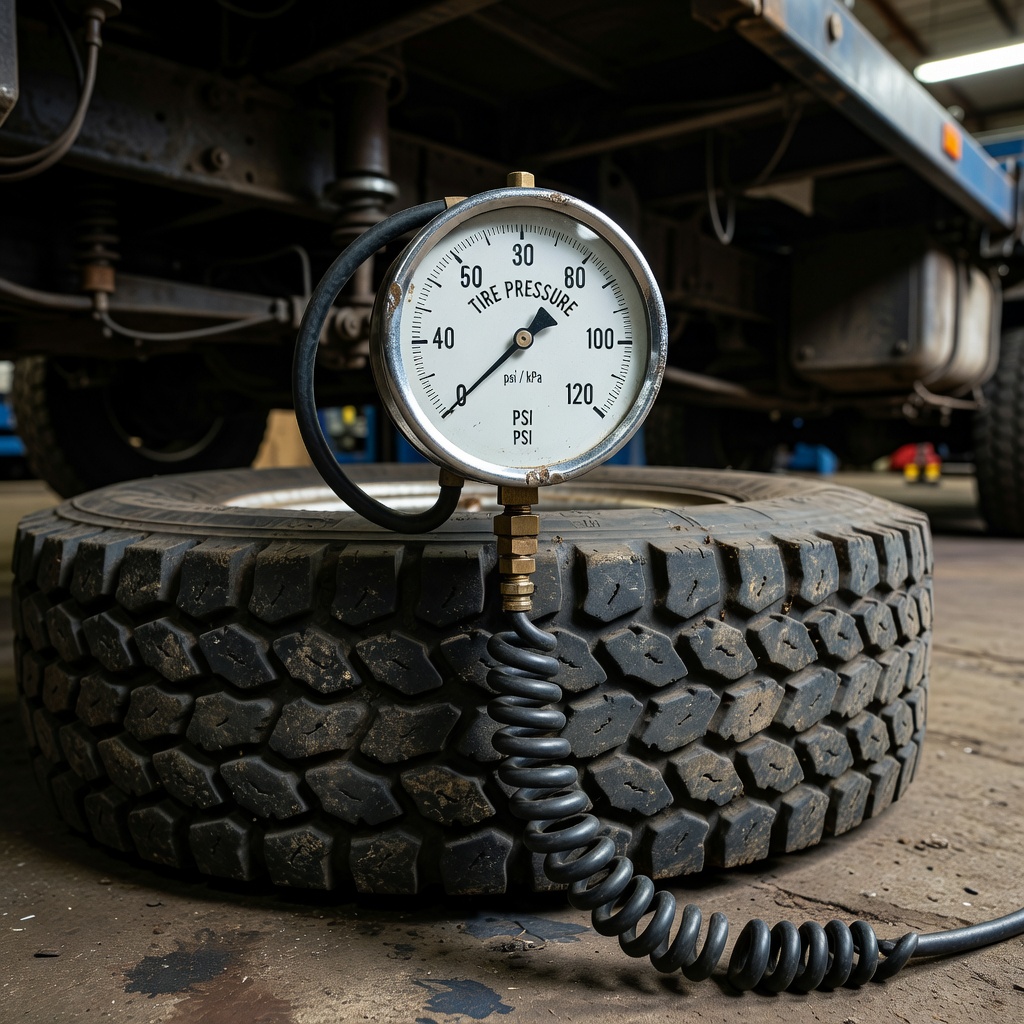
Measures tyre pressure across car, truck, and bicycle valves. Digital display with backlight for low-light use.

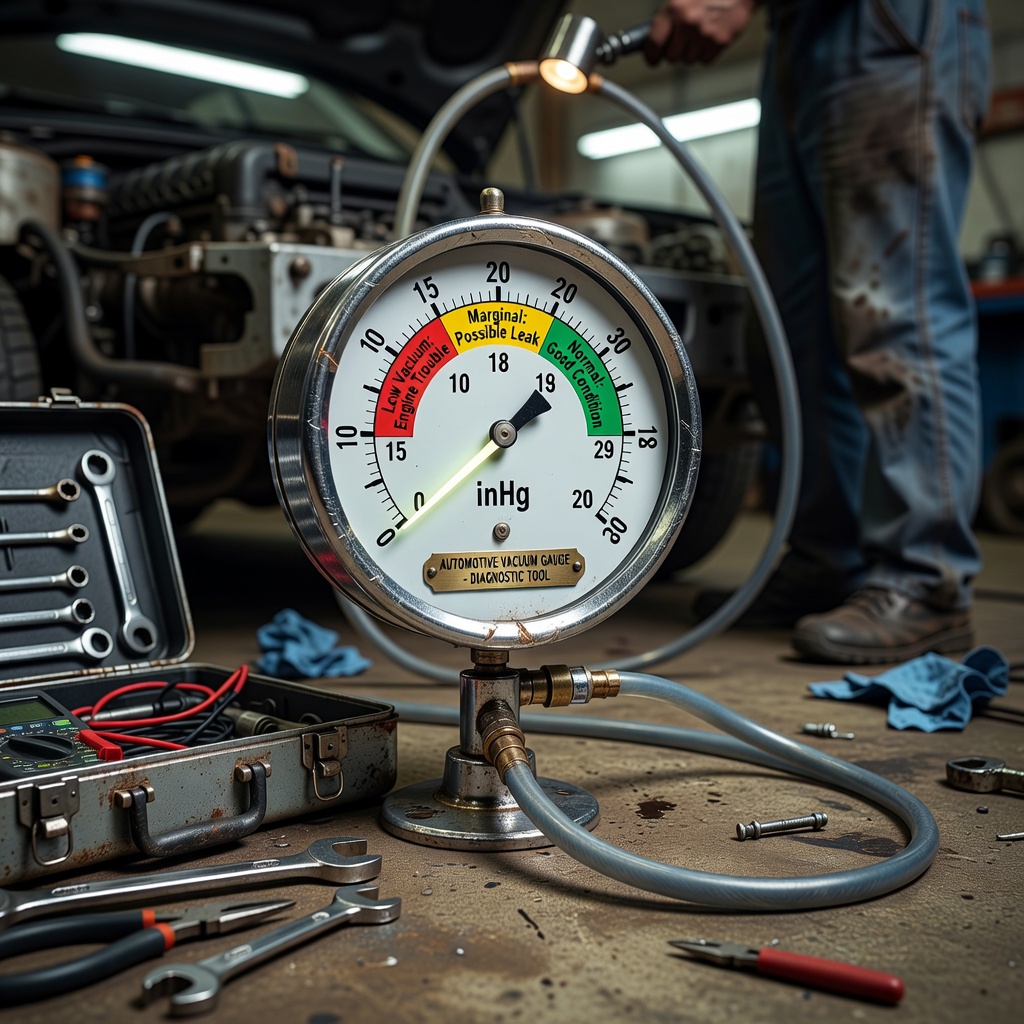
Reads intake manifold vacuum to help diagnose engine timing, valve, and throttle conditions.

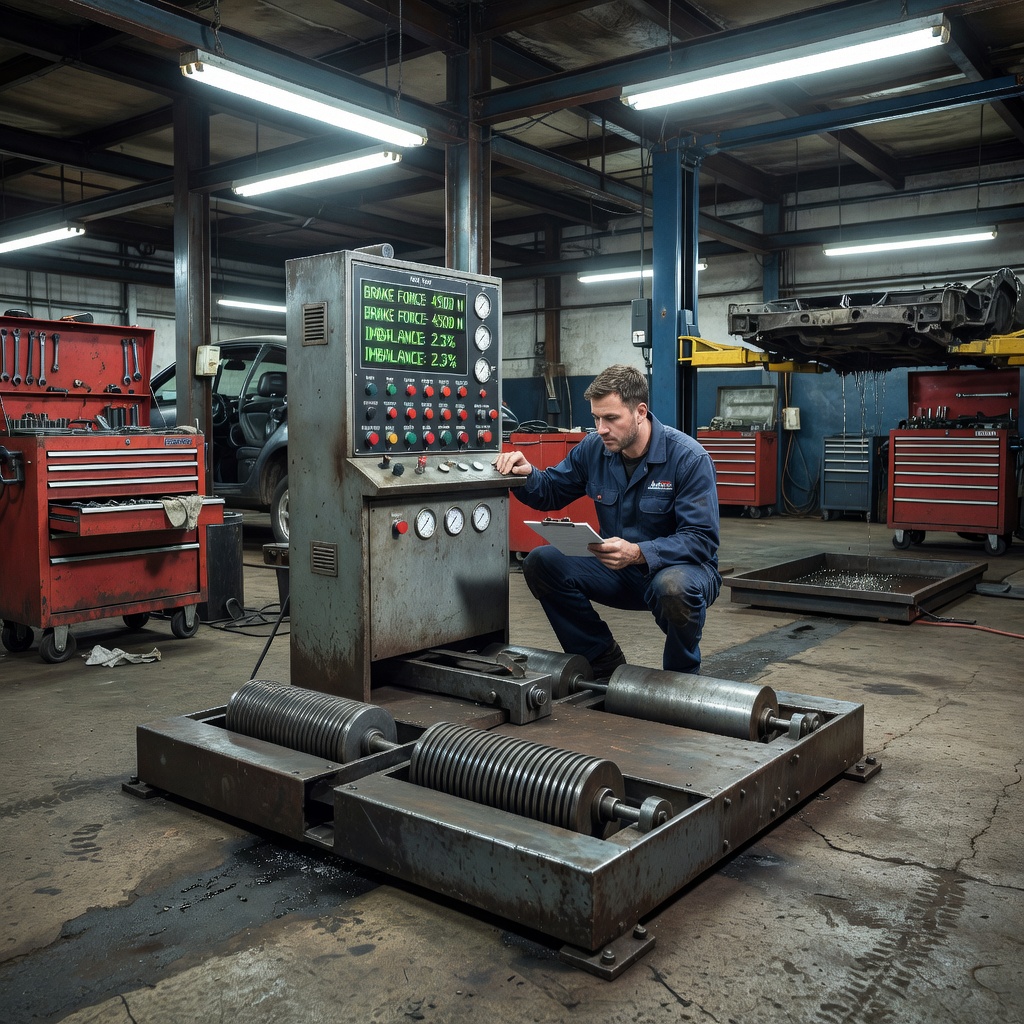
Tests hydraulic brake circuit pressure and identifies leaks in master cylinder and calipers.
Selecting the right tool depends on the vehicle system you are diagnosing. Here is a general guide to help identify which instrument type is appropriate for common diagnostic scenarios.
Start with an OBD2 scanner to identify stored fault codes. Follow up with a compression tester and vacuum gauge to assess mechanical condition.
Use a fuel pressure tester to verify rail pressure. An injector cleaning kit and flow tester can help diagnose delivery and spray pattern issues.
An automotive multimeter handles basic circuit checks. For sensor signal analysis, an oscilloscope provides waveform-level diagnostics.
A smoke machine is the most practical way to locate vacuum and boost leaks in intake, EVAP, and exhaust systems quickly.
A dedicated battery tester measures CCA, voltage, and internal resistance. A multimeter checks alternator output and charging voltage.
Hydraulic brake pressure testers measure circuit pressure. ABS codes can be read via an OBD2 scanner with multi-system coverage.